

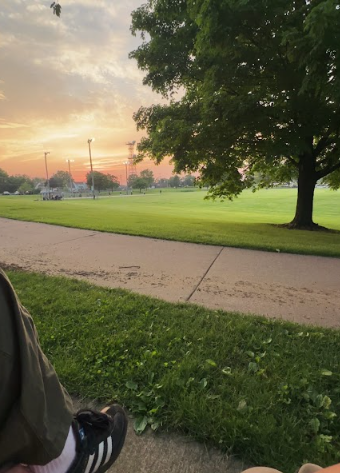
For generations, teenagers gathered at malls, parks and local diners —places that weren’t home or school, but somewhere in between. Today, many teens say those so-called “third spaces” are becoming harder to find.
The concept of a “third place,” first introduced by sociologist Ray Oldenburg in his 1989 book “The Great Good Place,” refers to informal public gathering places that help build community. These spaces offer opportunities for social connections outside of home and work, or for teens, outside of home and school.
Research shows that increasing social isolation among young people has become a growing concern. Health officials warn that loneliness can contribute to anxiety and depression in young teens.
Many traditional teen hangouts have declined over the past decade. Indoor shopping malls, once a staple of teenage social life, have struggled due to online shopping and economic shifts. Retail analysts say hundreds of malls have closed nationwide since the early 2000s.
Experts say cost is a significant barrier. Many businesses require purchases to stay, and some public spaces have curfews or policies that discourage groups of teens from gathering.
Students at Pleasant Valley High School have seen the shift firsthand. “I think we mostly just sit in our cars or go to someone’s house,” said senior Jonathon Hawkes. “There aren’t really places where you can just exist without having to spend a lot of money.”
Other teens say the lack of public spaces makes it harder to spend time with friends outside of school activities.
“Sometimes it feels like there’s nowhere you can go without getting told to leave,” said senior Elizabeth Otts. “If you don’t want to stay home, your options are pretty limited.”
Social media has partially replaced physical gathering spaces, but digital connection is not always equivalent to face-to-face relationships. Still, some communities are working to reintroduce youth-friendly spaces. Libraries, community centers and youth programs are expanding areas designed specifically for teens to gather and socialize.
For teens who feel like they have nowhere to go, solutions may depend on community investment and local leadership. “It would be more beneficial to offer students rates to places that require a cost to be there, such as roller rinks, swimming pools, trampoline parks, escape rooms, the TBK, or art classes,” says senior Lili Guicho.
As communities continue addressing youth isolation, some teens hope that more welcoming spaces will return, giving them places to connect, build friendships and spend time together outside of their daily routines.


