

When the season begins, track and field athletes experience a thrilling spur of foot races, throws and jumps. However, the work these athletes do is not limited to in-season training.
In order to prepare for the season and make the most of their time, coaches provide off-season training for Spartans who strive for excellence. The sprint team experiences a series of plyometric exercises to strengthen their bodies.
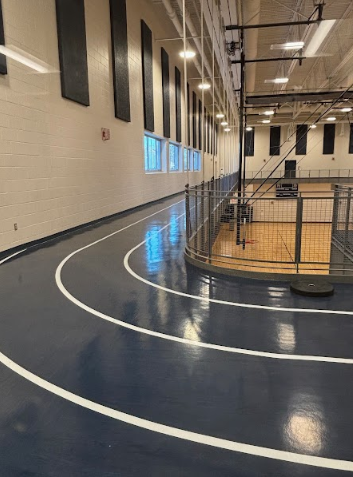
On Tuesdays and Thursdays, the training begins at 3:45 p.m. after school when the athletes can meet up in one of the coaches’ rooms. Due to the cold temperature, the indoor track and weight room at PV are great places for athletic training.
Warm-ups begin with a couple of laps around the track and end after stretches that mimic in-season routines, which eventually lead into the workouts for the day, an attempt to build habits and ease back into established practices.
Assistant coach Phil Kenney believes that off-season training provides unique opportunities for athletes. “I think it helps a lot with injury prevention and kinda being able to train kind of a full athlete. Kind of more variety in your training just cause you’re not pressed with time, you know, with things in the season, meet some scheduling,” he said.
Adding to what Kenney mentions, competitive meets and in-season training demand for more speed focused activities and event preparation, but off-season offers a unique opportunity to focus on full body workouts.
Injury prevention is another huge reason for these workouts as they target areas like ankles, knees, and core training that reduces the risk of overuse injuries. Inexperienced athletes coming from varying sports or people who simply aren’t in shape can use these workouts to their advantage before the official start of the season.
St. Ambrose University also allows Spartan athletes to use their indoor track facility in exchange for a charge of $5 per visit. Many Spartan athletes go there after their plyometric workouts to work on more speed-focused exercises. The team’s coaches also write down suggestions on which workouts to do and make sure to provide reasonable routines for athletes of all experience levels.
On the basis of experienced athletes, senior varsity sprinter Brandon Thomas writes about how this training has benefited him greatly. “I am able to start competing with my teammates before the season even begins. I am able to compare where we started before the season to where we end the season,” he said.
Getting started earlier is sure to improve any athlete’s ability and sprout even more growth towards the end of the season.
Thomas also mentions competing with his teammates earlier on is one of the factors that make off-season training important. Kenney had also shared his thoughts about team building aspects.
“It’s good culture building. Right? It’s good for your program and your team. To kind of have guys together working out seeing that other guys that are on the team are putting in the work and getting better too,” said Kenney.
Track and field is a team sport, and building team culture is crucial for engagement and creating an environment built for focus and success when these athletes get started with the year’s season.
With the help of coaches, off-season training and plyometric training create stronger bodies, prevent injury and cultivate team culture so that the Spartans can continue to break records, build strong relationships and compete in the many events of Track and Field.


